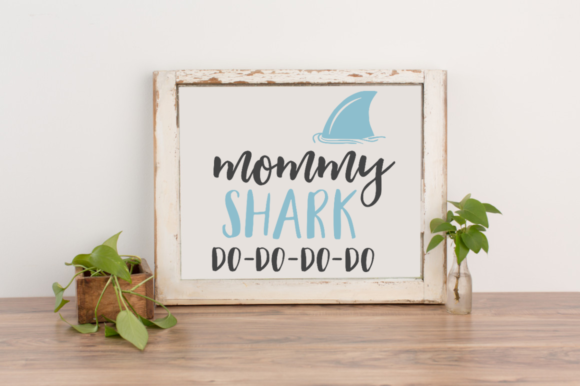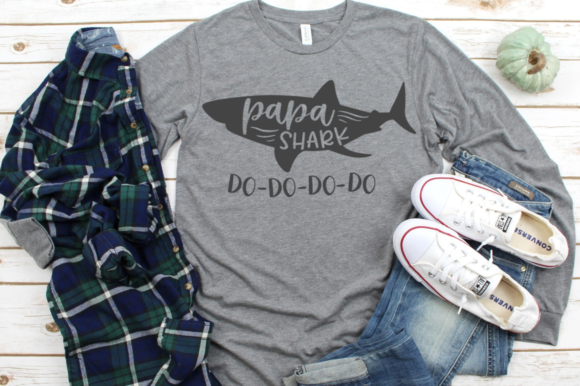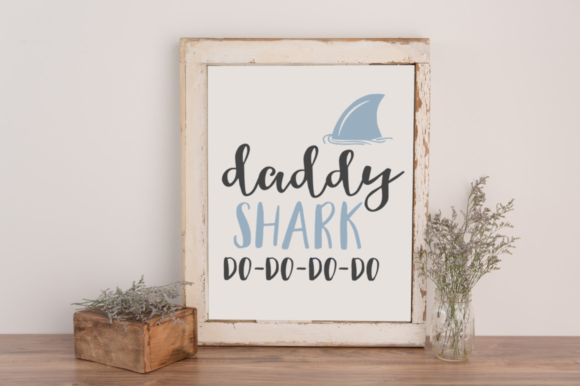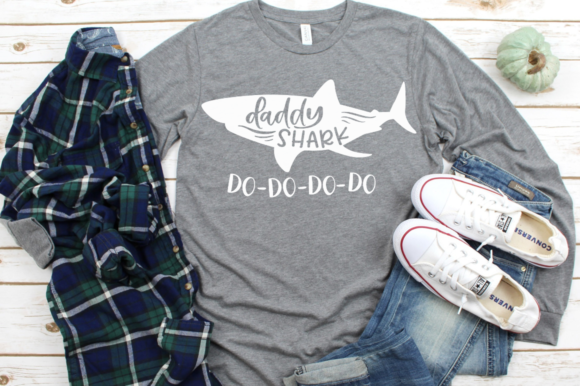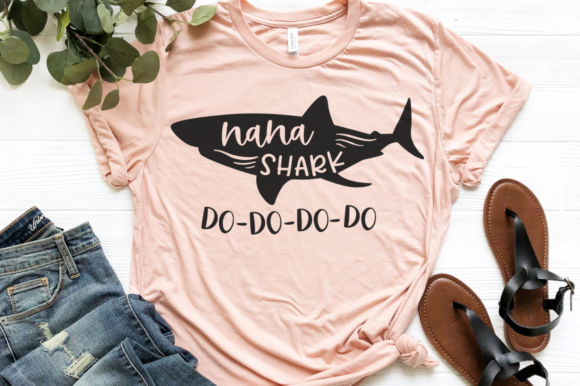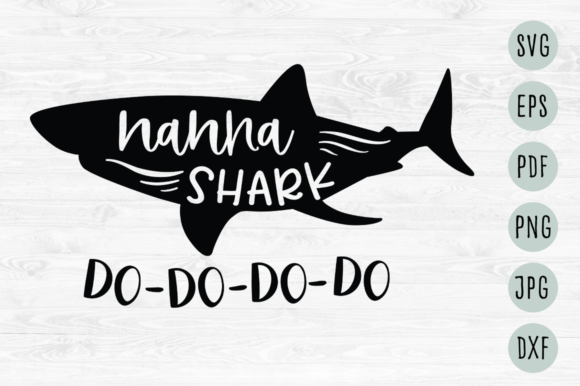
Nanna Shark Do-Do-Do-Do SVG
First Impressions: Playful, Punchy, and Instantly Recognizable
As someone who’s stitched hundreds of themed designs for clients—from boutique baby boutiques to Etsy shops selling personalized grandparents’ gifts—I opened Nanna Shark Do-Do-Do-Do SVG expecting fun, but I wasn’t prepared for how immediately workable it felt. The shark’s grin is wide but not cartoonish; the “Do-Do-Do-Do” text curves playfully around its jaw like a musical motif—not forced, not cramped. It reads as confident, lighthearted, and warm—not sarcastic or edgy. That matters. When you’re embroidering a gift for Grandma’s birthday or a Grandparents Day tote bag, tone is everything. This isn’t just a shark—it’s a wink, a hug in stitch form.
A Real Project Test: Embroidering a Linen Kitchen Towel
Last week, I used Nanna Shark Do-Do-Do-Do SVG on a heavyweight natural linen tea towel—intended for a small shop launch. Why linen? Because it’s unforgiving: loose weave, low stretch, zero forgiveness for dense fill areas or jagged edges. I converted the SVG to an embroidery file (using my standard vector-to-stitch workflow), then ran a test on scrap fabric with medium-weight cutaway stabilizer. The result? Clean satin-stitched outlines, smooth lettering—even the tiny “o” in “Do” held its shape without thread nesting. No digitizing tweaks were needed. That’s rare for a design marketed across cutting machines and embroidery workflows. It tells me the original artwork was built with real-world output in mind—not just screen display.
Where It Shines (and Where to Pause)
Nanna Shark Do-Do-Do-Do SVG works beautifully on:
- Sweatshirts and hoodies: Its bold silhouette reads clearly at 3.5–4 inches wide—even on textured fleece.
- Tote bags and aprons: The horizontal flow fits naturally across center-chest or front-panel placements.
- Baby onesies and burp cloths: Scaled down to 2.75”, it keeps charm without overcrowding delicate seams.
- Embroidered patches: With clean outer edges and minimal interior detail, it stitches consistently across iron-on and sew-on backings.
- Holiday and milestone gifts: Think Grandparents Day cards with stitched accents, or pillow covers for a new nursery—this design adds personality without clutter.
But—and this is where experience kicks in—don’t push it onto:
- Curved surfaces like caps: The “Do-Do-Do-Do” curve assumes a flat plane. On a structured cap front, the text can distort unless re-digitized for crown curvature.
- Thin or highly stretchy knits (like lightweight jersey): Without proper stabilizer and careful hooping, the “shark mouth” area may pucker. Use tear-away + light cutaway combo here.
- Dark fabrics with light thread: The fine interior lines in the shark’s eye and gills need contrast testing. A white-on-navy version looked sharp—but only after switching from standard poly to matte-finish thread for reduced glare.
- Sub-3-inch hoop sizes: Below 2.5”, the “Do” letters start to lose legibility in satin stitch. If you need tiny versions, plan for a simplified outline-only variant.
What It Does for Your Craft Business
This isn’t just another cute graphic—it’s a quiet trust-builder. Customers browsing your Etsy shop or local craft fair booth don’t read licensing fine print. They read clarity, craftsmanship, and intention. When Nanna Shark Do-Do-Do-Do SVG stitches cleanly on a handmade apron, it signals care. When it holds up after three rounds of hot washing on a baby blanket? That’s repeat business. I’ve seen sellers bundle it with matching “Papa Shark” files—and watch conversion rates lift because the pairing feels cohesive, not slapped together.
It also performs well in digital spaces: as a printable mockup for social media listings, or layered into Canva templates for holiday promo kits. As a Graphics asset, its clean vectors scale crisply for both embroidery prep and web previews—no pixelation, no redraws.
Practical Designer Notes Before You Stitch
Before committing to a full run—especially for client work or inventory—do these five things:
- Test on scrap fabric that matches your final product’s weight and texture. Linen ≠ cotton twill ≠ fleece.
- Check thread color contrast in natural light—not just on screen. What looks vibrant in RGB may mute on fabric.
- Review stitch density in your embroidery software. If fill areas exceed 18–20% density, consider simplifying or adding underlay for stability.
- Confirm hoop size compatibility—especially if stitching multiple items on a multi-needle machine. This design fits comfortably in a 4×4 hoop at standard size, but verify before batching.
- Double-check licensing terms for commercial use. While the listing says “Commercial use Cut files,” confirm whether resale of the digital file itself is permitted—or only finished embroidered products.
Final Thought: Charm With Craftsmanship
Nanna Shark Do-Do-Do-Do SVG lands where many playful designs fail: it’s joyful and technically sound. It doesn’t rely on trend-chasing gimmicks—it leans into warmth, rhythm, and strong visual hierarchy. For crafters building a Crafts brand rooted in authenticity, or Etsy sellers curating heartfelt handmade product collections, it’s more than a file. It’s a reliable note in your creative repertoire—one that stitches true, sells well, and makes people smile when they unfold their new tote bag or wrap that birthday gift. Just remember: even the best machine embroidery design needs your judgment. Trust your eyes, test your fabric, and let the shark do what it does best—swim confidently into your next project.